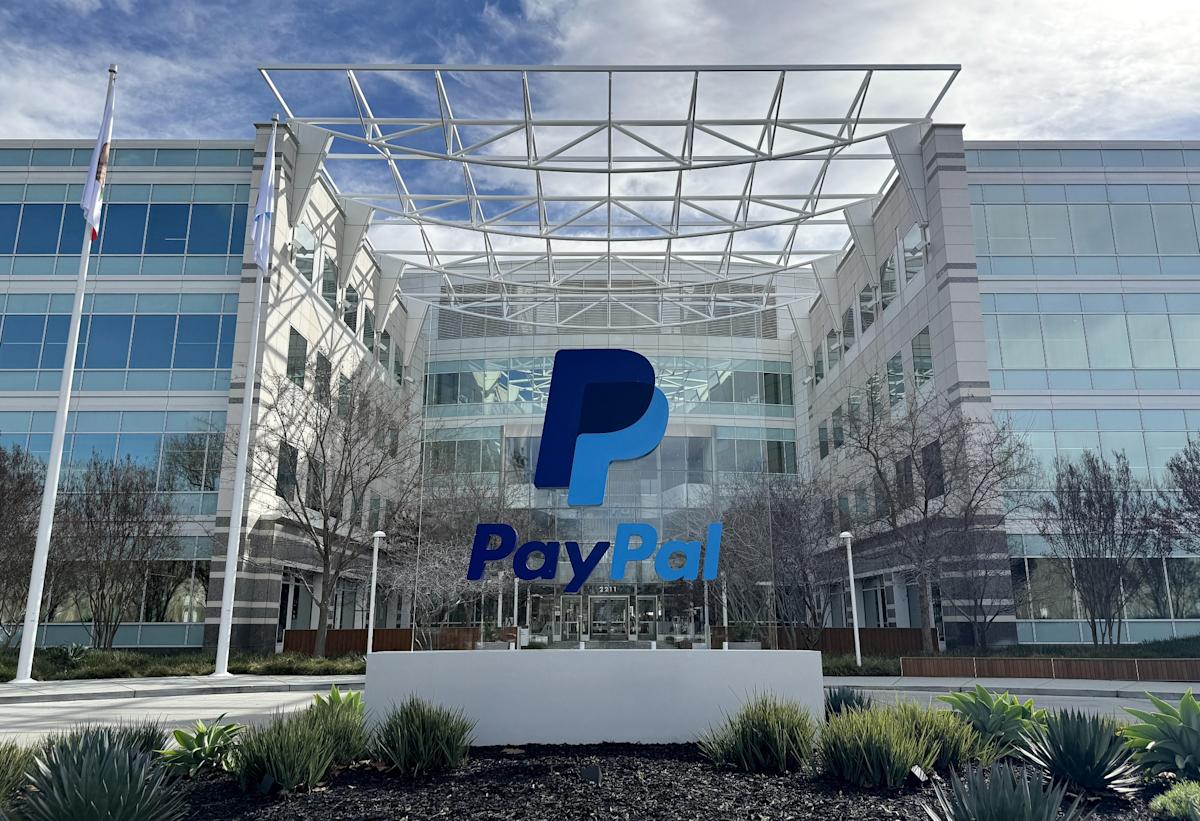
Why PayPal's Stock Slump Makes It a Takeover Target
The financial world is abuzz with speculation as paypal takeover rumors intensify, largely fueled by the payments giant's significant stock decline over the past year. Once a fintech darling, PayPal has seen its shares plummet by approximately 46%, making its extensive user base and established infrastructure an increasingly attractive proposition for potential acquirers. This isn't just market chatter; reports indicate that serious interest is emerging, with some large companies considering a full acquisition, while others eye specific assets. The question on many minds is: what makes PayPal so vulnerable, yet so valuable, right now?
The Precipitous Decline: Unpacking PayPal's Vulnerability
PayPal's journey from a high-flying growth stock to a potential takeover target is a complex narrative rooted in several challenging developments. The most immediate trigger for the intensified speculation was the company's disappointing performance and outlook. During its Q4 2025 earnings call, PayPal delivered a lackluster profit forecast for 2026, a stark contrast to the expectations of investors. This forecast, coupled with the abrupt announcement of CEO Alex Chriss's immediate departure—despite being brought in specifically to navigate slowing growth and heightened competition—sent the stock spiraling, dropping roughly 20% in a single day.
This leadership upheaval and dimmed financial outlook didn't occur in a vacuum. The company itself admitted its shortcomings. As PayPal's then-CFO, Gabriel Miller, stated during the February 3 earnings call, "Our execution has not been what it needs to be. We have not moved fast enough or with the level of focus required, and we are taking immediate steps to address that reality." This candid admission underscores a period of internal struggle and missed opportunities that have significantly eroded investor confidence. Furthermore, PayPal is currently facing a shareholder class action lawsuit, alleging that top executives misled investors regarding the growth potential of its Managed Checkout service. Such legal challenges only compound the pressure, adding another layer of uncertainty to PayPal's future and reinforcing its image as a company in need of a strategic reset.
Who Might Be Eyeing PayPal? Potential Suitors and Strategic Plays
Despite its recent struggles, PayPal remains a colossal player in the digital payments space, boasting a massive global user base and a widely recognized brand. This underlying strength is precisely what makes it an enticing target for a diverse range of potential buyers. The strategic motivations behind a PayPal Takeover are varied:
- High-Volume, Low-Margin Retailers: Companies like Walmart, which handle immense transaction volumes, could see immense value in acquiring PayPal. The primary driver here would be to significantly reduce payment processing fees, which represent a substantial operational cost. Integrating PayPal's payment infrastructure could also provide a powerful cash flow engine, enhance customer loyalty programs, and offer a robust digital wallet solution directly to their customer base, circumventing traditional financial intermediaries.
- Tech Companies Seeking Payments Entry/Expansion: For large tech giants not fully entrenched in the payments sector, or those looking to expand their existing footprint, PayPal offers a ready-made, globally scaled solution. Acquiring PayPal would instantly provide access to hundreds of millions of users, a mature payments platform, and extensive regulatory licenses across numerous jurisdictions, bypassing years of organic build-out and regulatory hurdles.
- Larger Financial Competitors: Established payment processing firms or even large banks might view PayPal as a strategic acquisition to consolidate market share, gain a technological edge, or eliminate a formidable competitor. The opportunity to integrate PayPal's innovative features, such as peer-to-peer payments (Venmo) or merchant solutions, could be highly appealing.
The current lower valuation makes an acquisition more financially palatable for these interested parties. While some are reportedly considering buying the entire company, others are looking at acquiring select assets, potentially leading to a partial sale or breakup if a full takeover doesn't materialize. This flexibility in acquisition strategy further broadens the pool of potential suitors.
Leadership Shake-up and the 'Break-up' Hypothesis
The swift CEO transition is perhaps one of the most intriguing aspects of the current situation. Alex Chriss's departure and the appointment of seasoned executive Alex Lores as the new President and CEO on March 1 have raised eyebrows and sparked further speculation. Lores, who has served on PayPal’s board for nearly five years and as board chair since July 2024, brings a significant and telling detail to the table: his prior experience leading HP.
At HP, Lores was instrumental in leading the company's separation into two distinct business units in 2014. This background has led many analysts, including PYMNTS CEO Karen Webster, to ponder whether Lores's appointment signals a similar strategic move for PayPal. "The big question now is why Lores and why now," Webster mused, suggesting that his resume might hold clues. Could PayPal's future involve a strategic breakup, spinning off high-growth assets like Venmo or its Braintree merchant services, while retaining core PayPal functionalities? This strategy could potentially unlock significant value by allowing different segments of the business to operate independently, attracting specialized investors or buyers for each piece. Indeed, the very possibility of a PayPal Breakup or Buyout? New CEO Lores Holds the Key to understanding the company's next chapter.
What This Means for Investors and the Future of Payments
For current PayPal shareholders, the emergence of takeover interest offers a glimmer of hope. News of potential buyer interest caused PayPal shares to rally as much as 9.7% shortly after reports surfaced, indicating that the market perceives a takeover as a positive catalyst, potentially resulting in a premium for their holdings. However, it's crucial to remember that these considerations are in their early stages, and there's no guarantee that PayPal will ultimately change hands or undergo a significant structural change. PayPal itself has declined to comment on the rumors, maintaining the usual corporate silence on market speculation.
Beyond individual investor returns, a potential acquisition or breakup of PayPal could profoundly reshape the competitive landscape of the global payments industry. A full takeover by a major retailer or tech giant would create an integrated ecosystem with immense power, potentially challenging the dominance of traditional financial institutions. Conversely, a breakup could introduce new, agile players into specialized segments of the market, fostering increased competition and innovation. This period represents a critical juncture for PayPal, where its strategic direction will not only determine its own fate but also influence the broader evolution of digital commerce and financial technology.
Conclusion
PayPal's journey through a challenging period of stock decline, leadership changes, and shareholder lawsuits has unexpectedly positioned it as a prime takeover target. Its robust user base and established infrastructure, coupled with a significantly reduced valuation, present an undeniable allure for strategic buyers ranging from major retailers to tech giants. The appointment of Alex Lores, with his history of leading corporate separations, adds a fascinating dimension to the narrative, fueling speculation of a potential breakup designed to unlock shareholder value. While the future remains uncertain and in the early stages of consideration, the intensifying paypal takeover rumors underscore a pivotal moment for the company, promising significant implications for its investors, its competitors, and the entire digital payments ecosystem.